

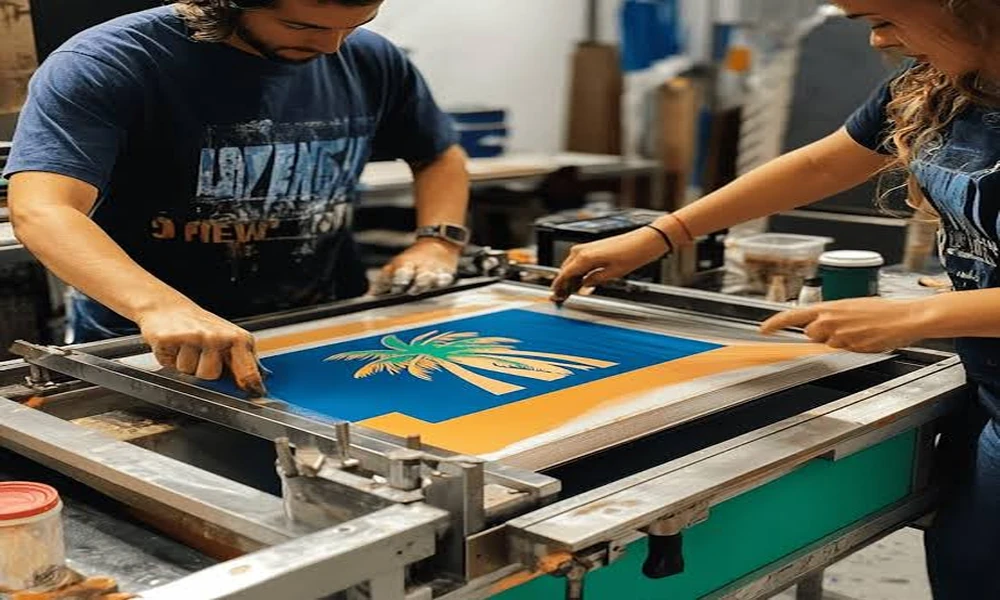
Event organisers use t-shirt printing effectively once the shirt earns its place as working equipment instead of a giveaway tossed into a goodie bag. A single printed tee can direct crowds, carry sponsor value, feed social media, promote the next edition, and stretch leftover stock into future campaigns. The five practices below cover that whole span, and organisers who plan them before the artwork is drawn get far more from every batch.
Crew marking
Organiser crew marking makes printed shirts the fastest signage a venue owns. Give staff, volunteers, security, and medics their own distinct colours, and attendees find the right person within seconds, even across a packed hall. Role labels push the system further. HELP DESK, MEDIC, or CREW printed large across the back stays readable from a distance, while sleeve tags carry team names for internal coordination. Venues split into zones benefit from one shade per zone, letting supervisors spot misplaced crew at a glance.
Sponsor placement
The organiser sponsors placement and folds the shirt into the event’s commercial package. Sleeve panels, back sections, and hem strips each hold sponsor logos without crowding the main artwork. Every crowd photo taken that day multiplies those placements, and sponsors notice. Strong shirt visibility this year makes next year’s sponsorship conversation noticeably easier.
- Sleeves suit single sponsor logos at a modest size.
- Back panels carry tiered sponsor groups cleanly.
- Hem strips hold supporting partner marks discreetly.
Attendee engagement
Organiser attendee engagement climbs when the design gives people a genuine reason to wear the tee during the event itself. Photos spread without paid advertising thanks to a powerful photo, a clear hashtag, and a year that creates a striking invitation to share. Timing the handout shapes the outcome. Shirts given at registration appear in every crowd shot from the opening hour. Limited designs reserved for early registrants reward commitment, and word of those special editions speeds up sign-ups when the next edition opens.
Event mileage
Organise event mileage runs for as long as the shirts stay wearable. A clean design free of heavy date stamping slips into daily wardrobes, and every later wear carries the event name back out into public view, months after the venue emptied. Archiving adds a quiet bonus. Keeping one shirt from each edition builds a physical timeline of the event’s history, the kind of display teams show off proudly as years stack up. Returning attendees love spotting older designs worn in the crowd, a small tradition that grows on its own.
Stock planning
Organiser stock planning decides how far one printed batch stretches past the event day. A modest buffer of common sizes covers late registrations and on-site swaps, while leftover pieces become prizes for follow-up campaigns, welcome gifts for next edition volunteers, or thank you shirts for partners. Counting sizes before ordering matters most here. One extra question on the registration form settles the size spread accurately, keeping surplus low and every single shirt useful.
Shirts should be treated as working components of the event for effective use. A colour scheme helps organise the venue, a sponsor placement helps fund the print run, a design that engages attendees turns them into publishers, durable artwork promotes the event even after the event ends, and good stock planning ensures the batch lasts for the duration of the campaign. Plan all five before the first draft of artwork, and a simple tee becomes one of the hardest-working items on the entire event budget.
